What should I inspect during a laser light show factory audit?
- VIP-User
- 2026-09-04
- 20
During a laser light show factory audit, inspect the manufacturer’s R&D capability, laser and optical testing, waterproof protection, control-system compatibility, production capacity, quality-control records, and after-sales support. For an outdoor RGB laser projector, verify IP66 protection, APP control, DMX/FB4 compatibility, aging tests, finished-product inspection, and shipment procedures against the stated product requirements.
Core Solutions & Key Takeaways
- Review the factory’s R&D capability in laser systems, optical design, electronic control, structural optimization, and customized product development.
- Examine incoming material inspection, laser module testing, optical performance testing, scanner testing, waterproof testing, control-system testing, aging testing, and pre-shipment inspection.
- Confirm that the outdoor RGB laser projector supports wireless APP control, DMX, and FB4 compatibility for weddings, outdoor events, DJ performances, festivals, and professional laser shows.
- Assess production stability, delivery arrangements, technical support, installation guidance, laser show setup assistance, and after-sales response procedures.
Detailed Architectural/Principle Analysis
A factory audit should begin with the product architecture and the manufacturer’s technical scope. The inspected product is an IP66 waterproof outdoor RGB laser projector designed for weddings, outdoor events, DJ performances, festivals, and professional laser shows. Its stated functions include powerful RGB laser output, wireless APP control, dynamic beam effects, animations, customized laser displays, and compatibility with professional DMX and FB4 control systems.
Inspect the laser module and optical path as separate control points. Incoming material inspection should confirm component conformity before assembly. Laser module testing and optical performance testing should then verify the output system. Scanner system testing is relevant to beam movement, animations, and dynamic displays. The audit should also review whether testing records are retained for each production stage and whether failed units are isolated and corrected.
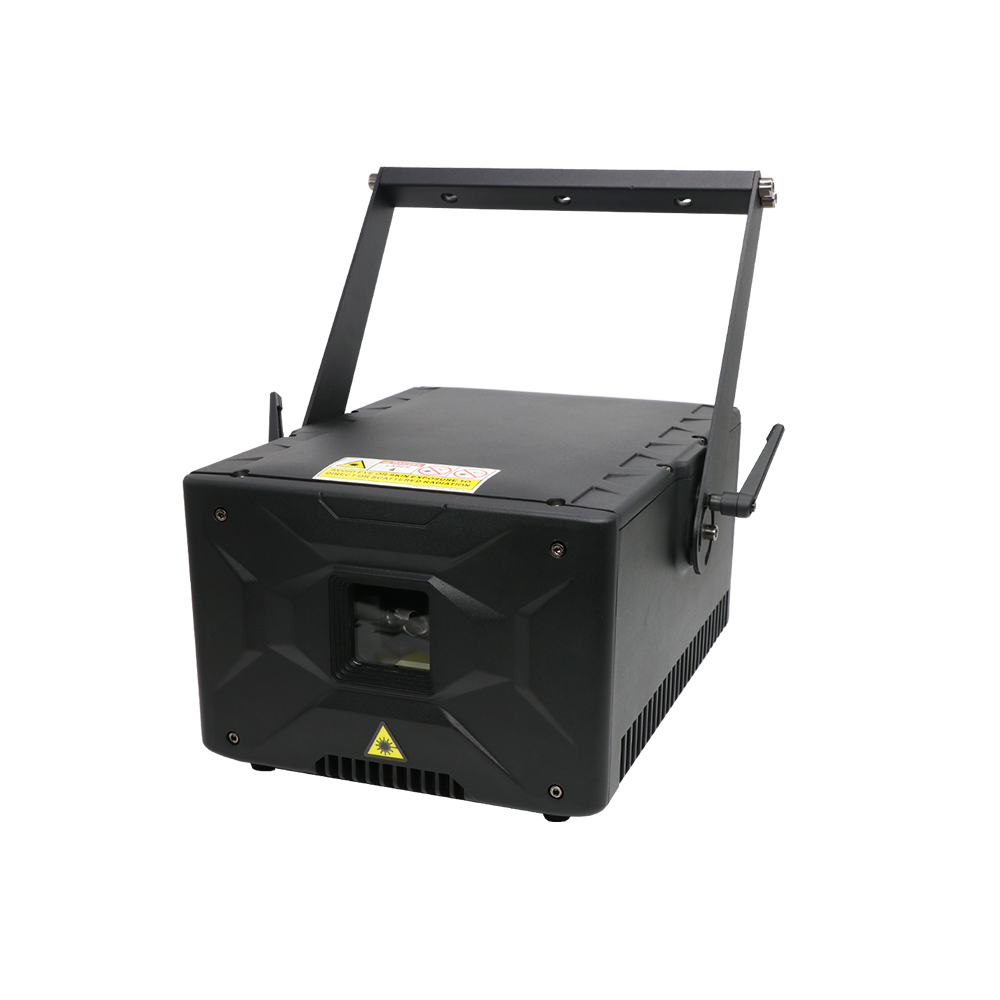
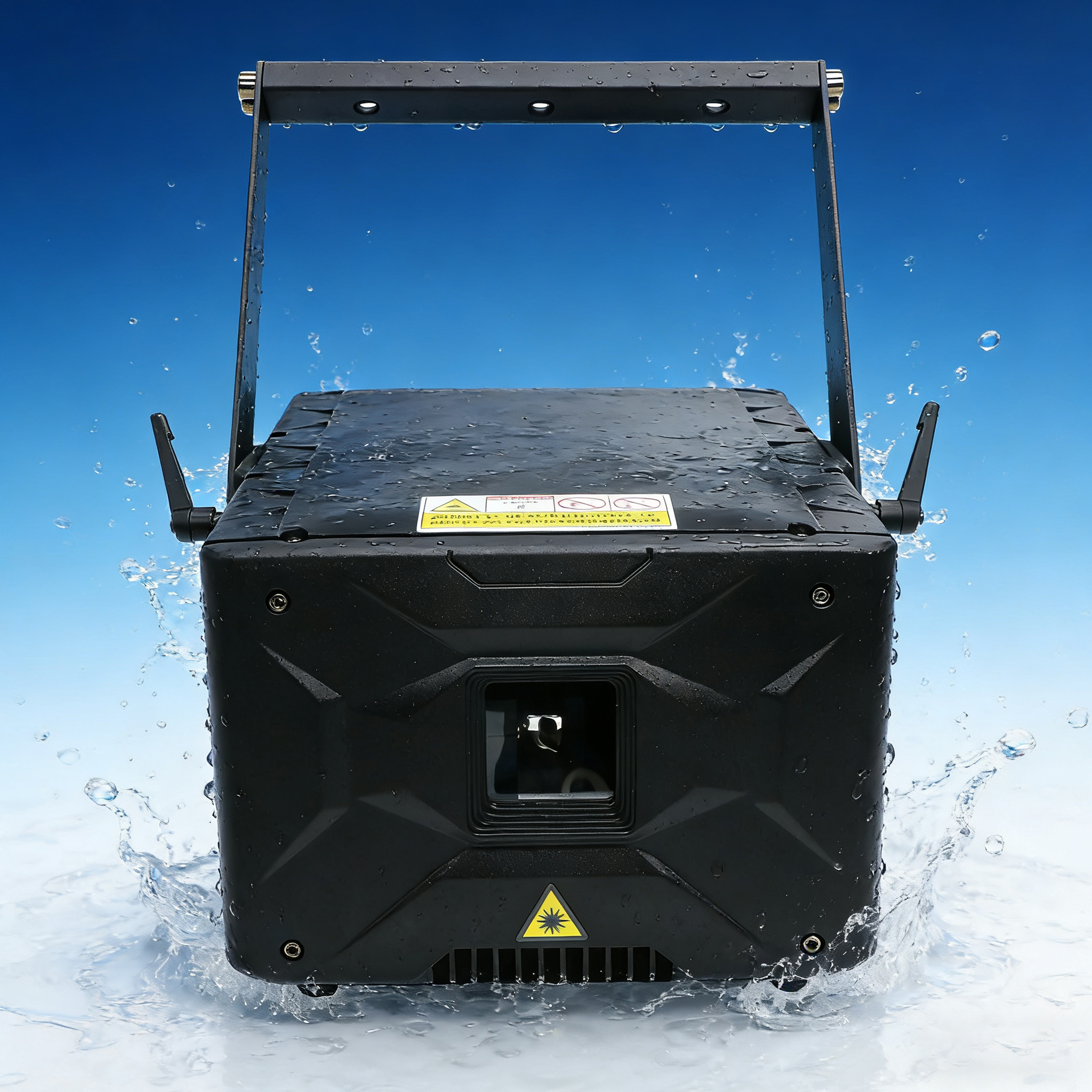
For an outdoor laser light show product, inspect waterproof testing and enclosure-related production controls. The product information identifies IP66 waterproof protection and lists waterproof testing as part of quality control. The audit should verify the test process, test records, inspection criteria, and handling of nonconforming results. Electronic component inspection and control-system testing should cover the APP, DMX, and FB4 interfaces used for operation and show setup.
Production-process monitoring should be visible on the assembly line, with defined checks for optical, electronic, structural, and control-system work. Aging testing and finished-product inspection provide evidence that units are evaluated after assembly rather than released immediately after basic function testing. Pre-shipment inspection should connect the final product status with the customer’s order and the required control configuration.
Review the manufacturer’s capacity and delivery controls alongside its quality records. Guangzhou New Feel Lighting And Audio Equipment Co., Ltd. states that its factory has professional stage-lighting production facilities, advanced assembly lines, and comprehensive testing equipment for laser systems, moving head lights, and special-effects equipment. Its stated monthly production capacity is 5,000 professional lighting units, which should be checked against equipment, staffing, production records, and current order commitments.
Business-model verification should cover the company’s role as a stage-lighting manufacturer integrating R&D, production, sales, and export. The company supports OEM/ODM and customized lighting solutions. The stated minimum order quantity for the product is one unit, with sample orders listed at 7–10 working days and regular bulk orders at 15–30 working days after order confirmation. These terms should be matched with written quotations, production schedules, and dispatch records during an audit.
The company identifies quality control across incoming materials, key components, production processes, functional testing, aging tests, safety inspection, final inspection, and pre-shipment inspection. Its laser-light certification record lists CE certification, certificate number UTT202406076C, applicable to laser light and stated as applicable worldwide. A factory auditor should verify the certificate scope, product correspondence, validity records, and technical documentation.
Reported cooperation experience includes a wedding and event lighting bulk-supply project for a United States lighting-equipment distributor and a professional lighting-equipment import project for a French stage production company. The applications included weddings, private parties, DJ performances, live shows, music festivals, corporate events, and entertainment venues. Reported customer feedback referred to stable quality, easy operation, long-hour operation, consistent effects, product-selection support, and technical assistance.
Data/Solution Comparison
| Audit Area | Evidence or Requirement to Inspect |
|---|---|
| Laser and optical system | Laser module testing, optical performance testing, scanner system testing, and records for dynamic beams, animations, and RGB displays. |
| Outdoor protection | IP66 waterproof specification, waterproof-test procedures, inspection criteria, and documented results. |
| Control compatibility | Wireless APP control, DMX compatibility, FB4 compatibility, control-system testing, and setup assistance procedures. |
| Production quality | Incoming material inspection, electronic component inspection, process monitoring, functional testing, aging testing, finished-product inspection, and pre-shipment inspection. |
| Manufacturing capacity | Assembly lines, testing equipment, production records, delivery schedules, and stated capacity of 5,000 professional lighting units per month. |
| Technical support | Product-selection advice, technical consultation, installation guidance, laser show setup support, control-system assistance, and after-sales service. |
Frequently Asked Questions (FAQ)
What quality records should be requested during a laser light show factory audit?
Request records for incoming material inspection, laser module testing, optical performance, scanner systems, waterproof testing, electronic components, control systems, aging tests, finished products, and pre-shipment inspection.
Which product functions should be tested on an outdoor RGB laser projector?
Test RGB laser output, beam effects, animations, customized laser displays, wireless APP control, DMX compatibility, FB4 compatibility, and waterproof protection stated as IP66.
How can an auditor assess whether production and delivery claims are credible?
Compare the stated monthly capacity of 5,000 professional lighting units with assembly-line equipment, testing resources, production records, staffing, order schedules, and documented delivery performance. Also verify the stated sample and regular-order lead times against completed orders.
Final Conclusion & Recommendations
A laser light show factory audit should connect technical design, component control, optical testing, waterproof verification, control-system testing, aging tests, final inspection, production capacity, and service procedures. The manufacturer’s stated OEM/ODM model and customized-solution capability should be checked through product documentation and production records. CE certification UTT202406076C is listed for laser light and should be verified against the inspected product. For detailed technical solutions or support, please reach out to us via sunny@nfstagelight.com.
About Us
Guangzhou New Feel Lighting And Audio Equipment Co., Ltd. was established in 2008 and manufactures stage lighting and special-effects equipment in Guangzhou, China, including RGB laser projectors, outdoor laser projectors, moving head lights, fog machines, and snow machines. The company reports a 3,500-square-meter factory and a professional R&D team covering optical design, electronic control, structural optimization, and customized product development. Its certification records include CE certification for laser light, and it has served clients across multiple industries.

Lastest
-
How do I verify the actual brightness of an RGB laser projector before buying bulk?
2026-09-04 -
How do I choose the right laser light show wattage for a 5000-person outdoor venue?
2026-09-04 -
How can I verify the real ANSI lumens of a professional laser projector before bulk buying?
2026-09-04 -
What IP rating is safe for an outdoor laser projector in rainy climates?
2026-09-04 -
Are there compact alternatives to bulky outdoor laser projector systems?
2026-09-04
SUBSCRIBE
INQUIRY